
Planning
Building a house in Fuerteventura: a complete guide from plot to handover
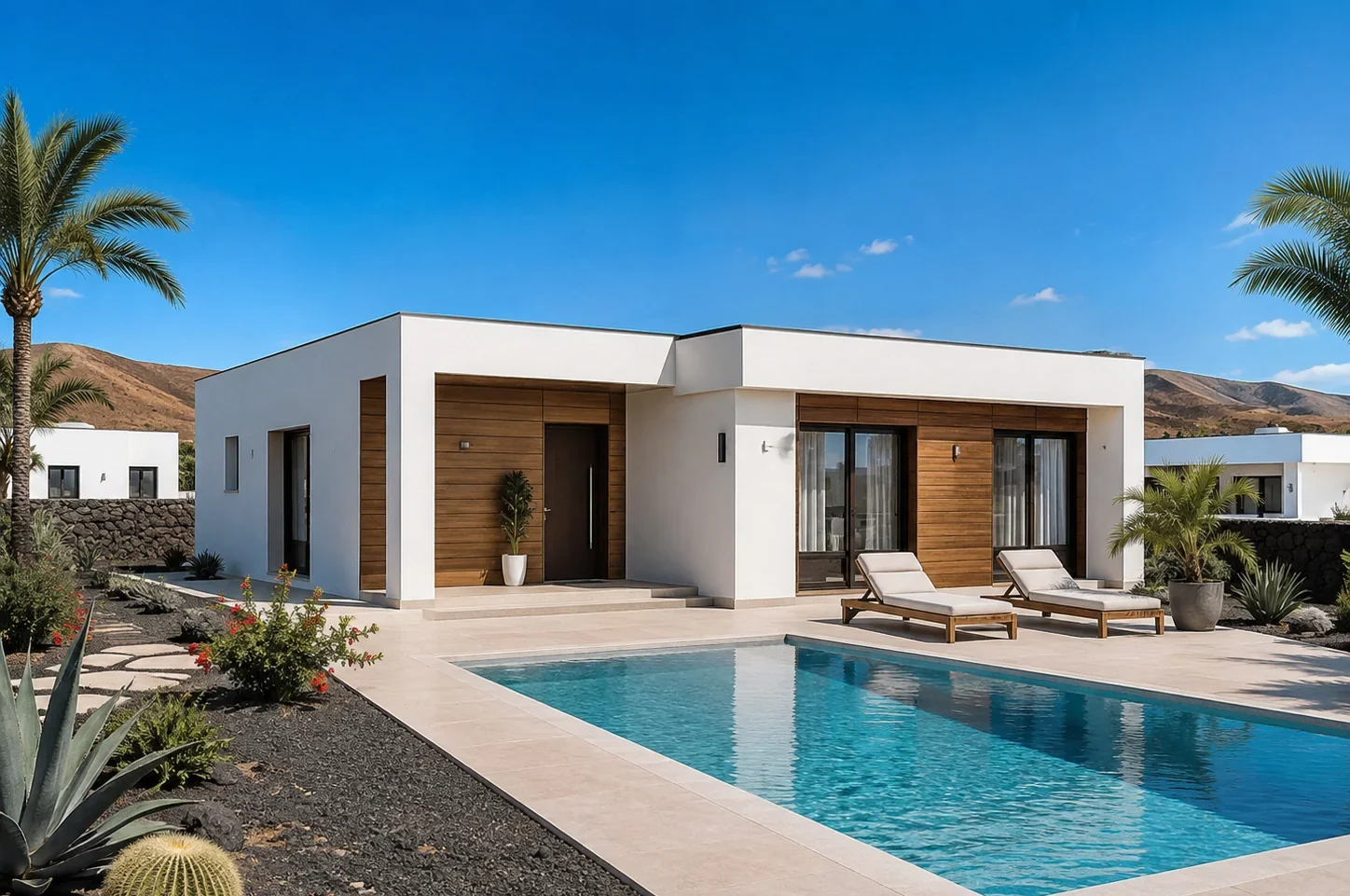
A practical guide to the full journey: choosing land, planning checks, design, quotations, construction and the final handover of the home.
Read the guide →Clear information to turn the idea of a home in Fuerteventura into a project that can be checked, budgeted and built.
A practical guide to the full journey: choosing land, planning checks, design, quotations, construction and the final handover of the home.
Read the guide →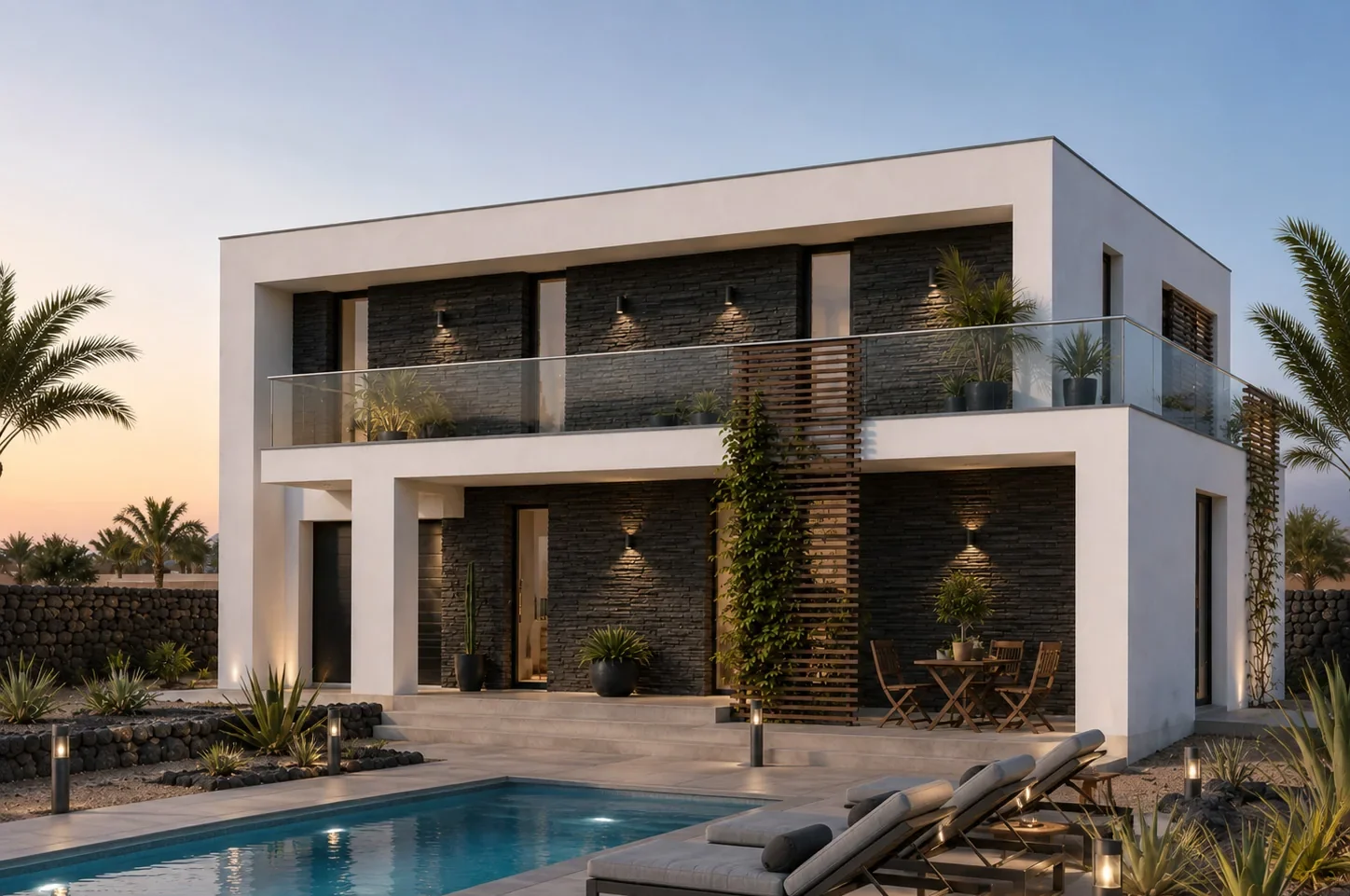
The real cost is not a single price per square metre. It depends on the plot, design, finish level and every item outside the main building volume.
Read the guide →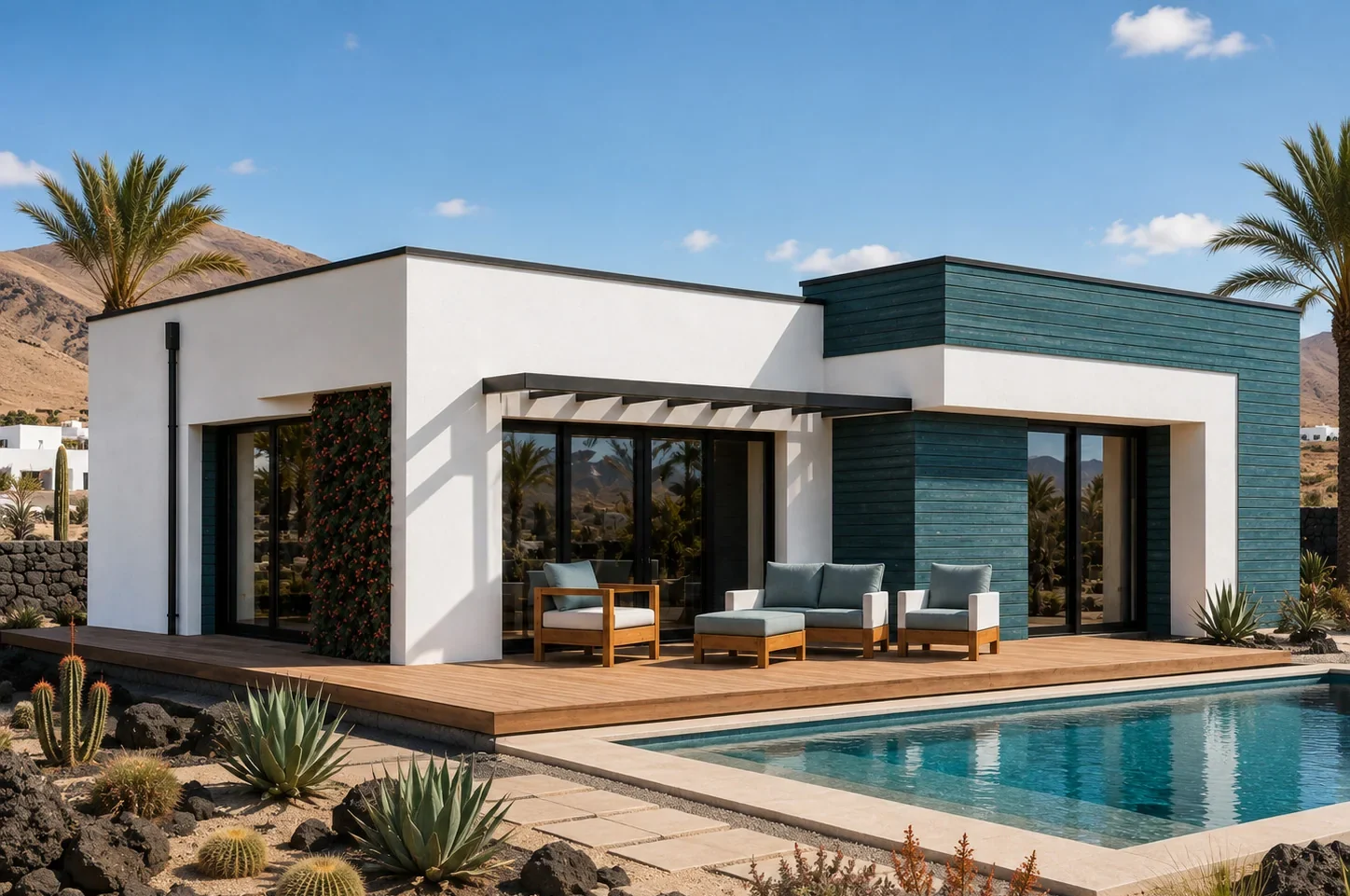
A plot with an attractive view is not automatically suitable for a home. Check planning status, access, services, restrictions and external costs before signing.
Read the guide →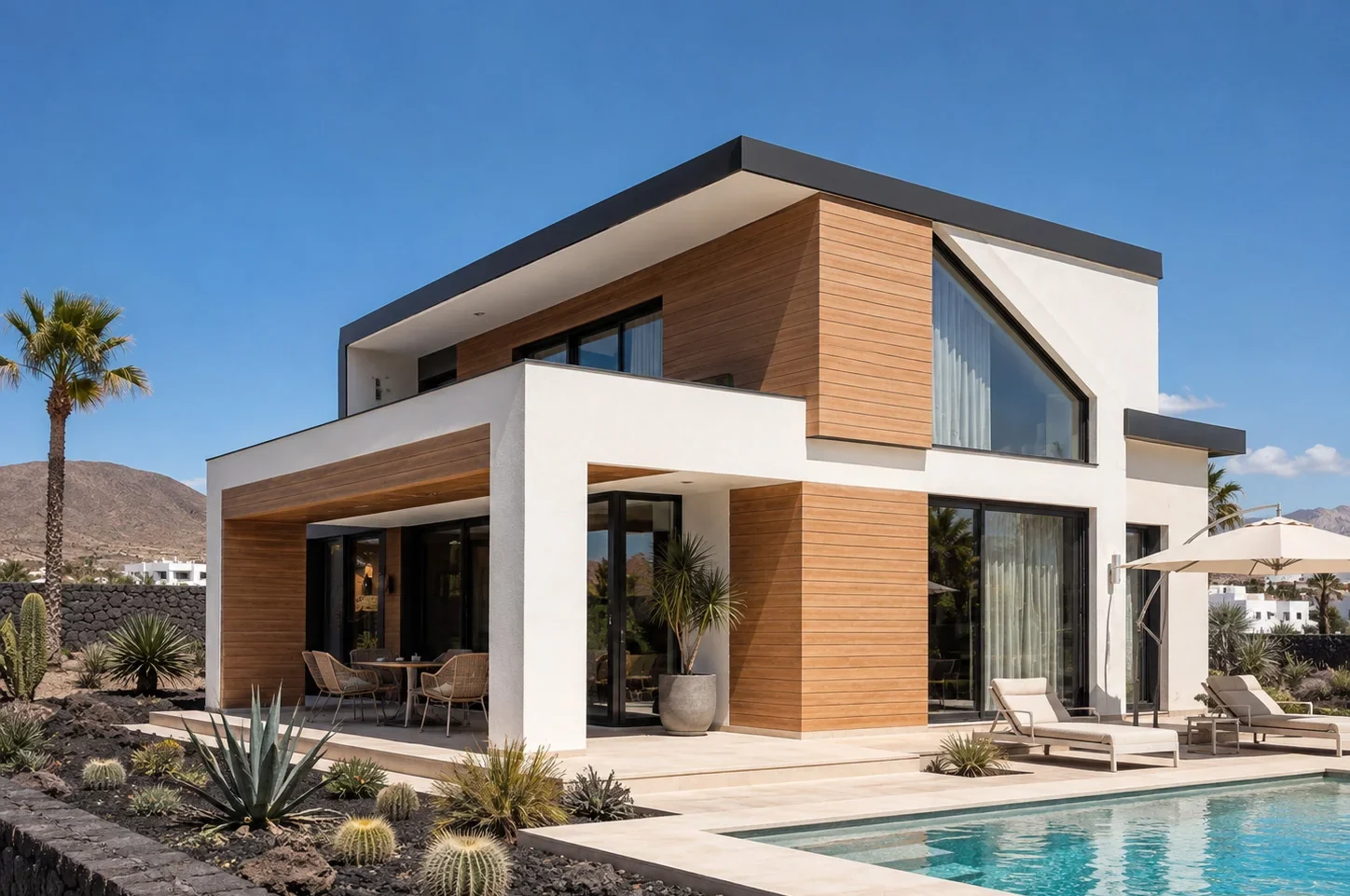
Permission is not an isolated final formality. The design must be developed around the plot, municipal planning rules and the required documentation.
Read the guide →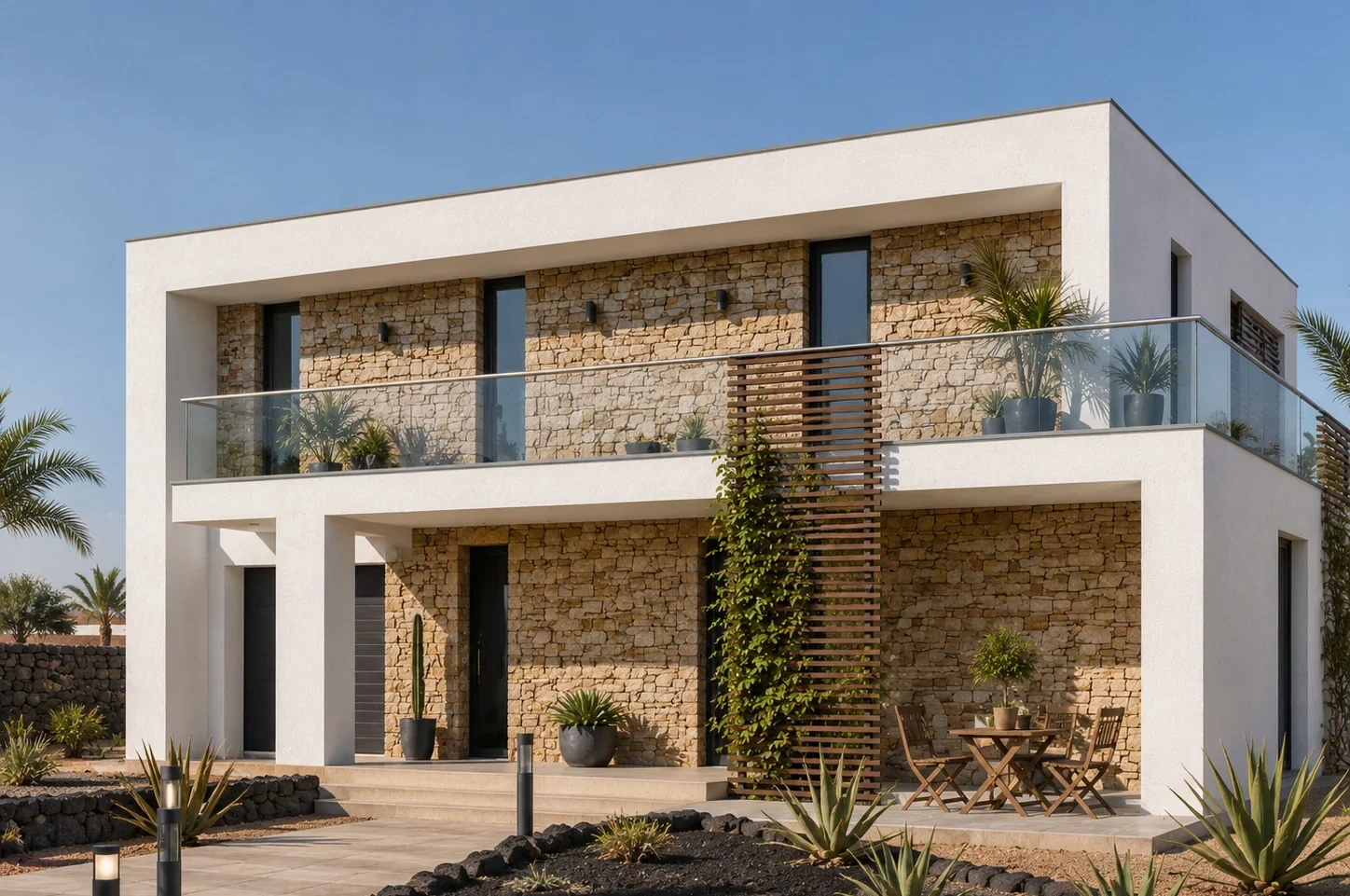
Construction is only one part of the journey. A realistic plan includes plot checks, design, approvals, procurement, testing and handover.
Read the guide →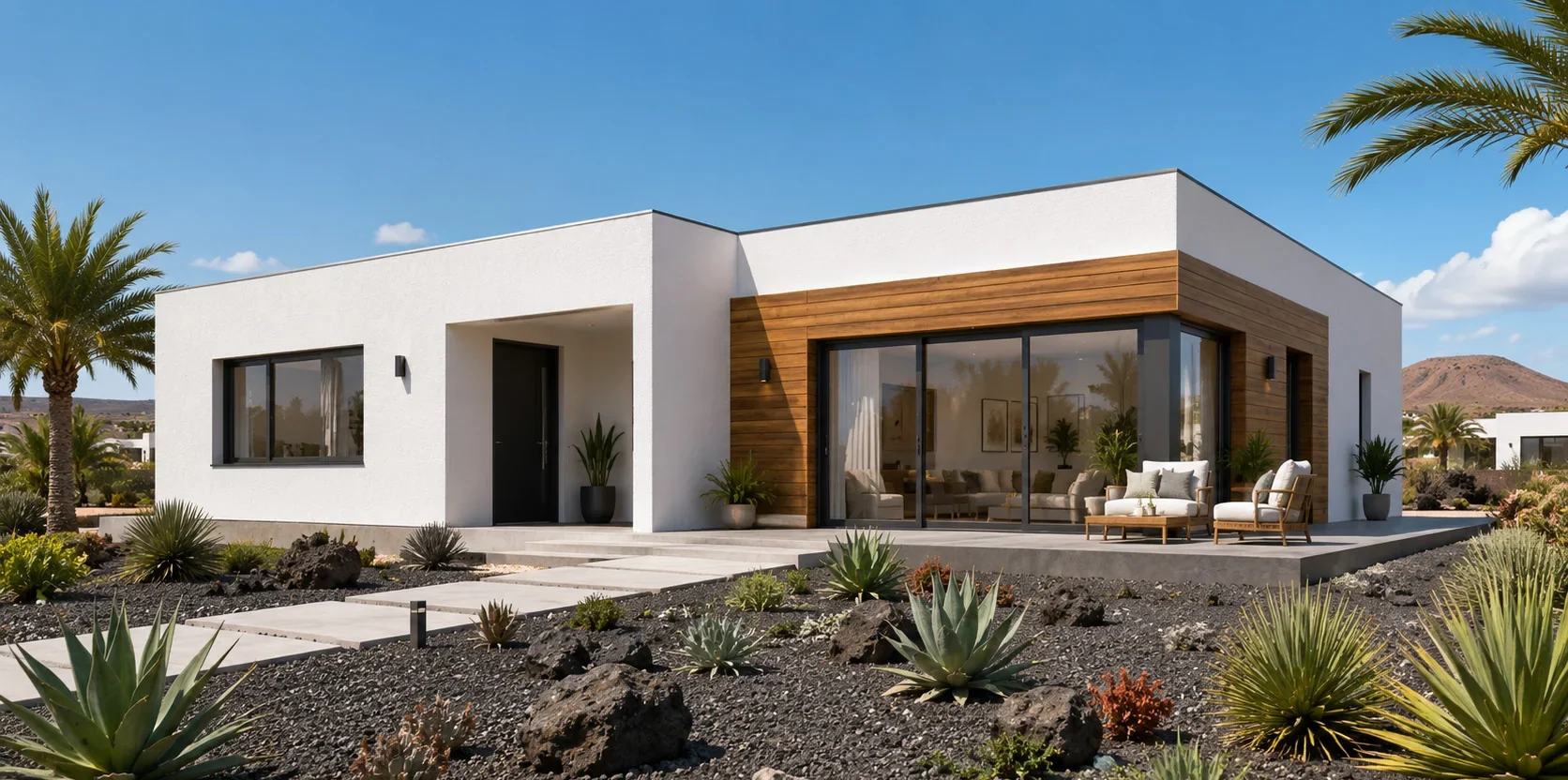
Prefabricated does not mean permission-free. The system may shorten some stages, but the plot, design, foundations and approvals remain decisive.
Read the guide →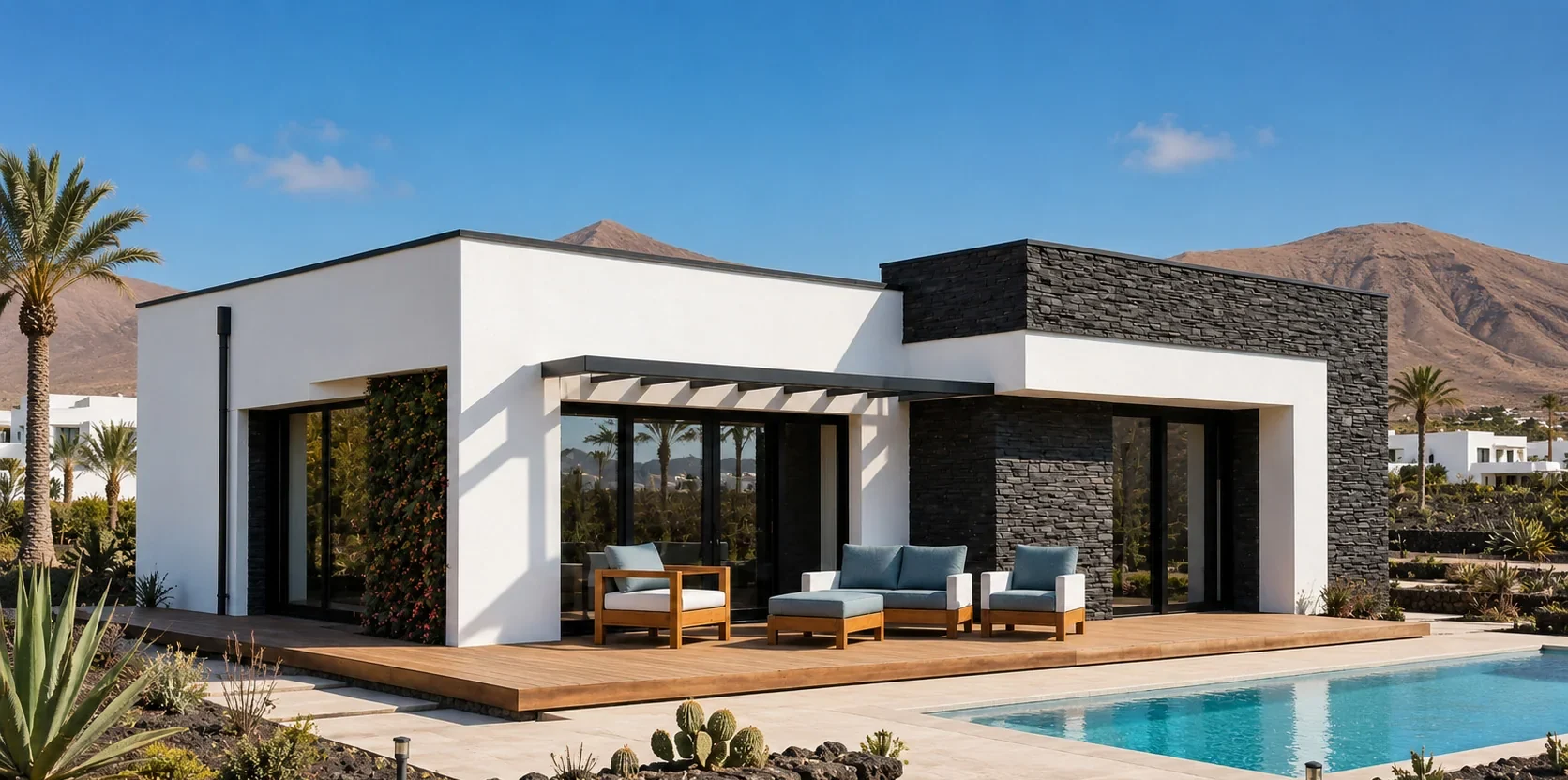
The two routes differ in more than price. They change responsibility, coordination, timing, risk and the number of decisions left to the client.
Read the guide →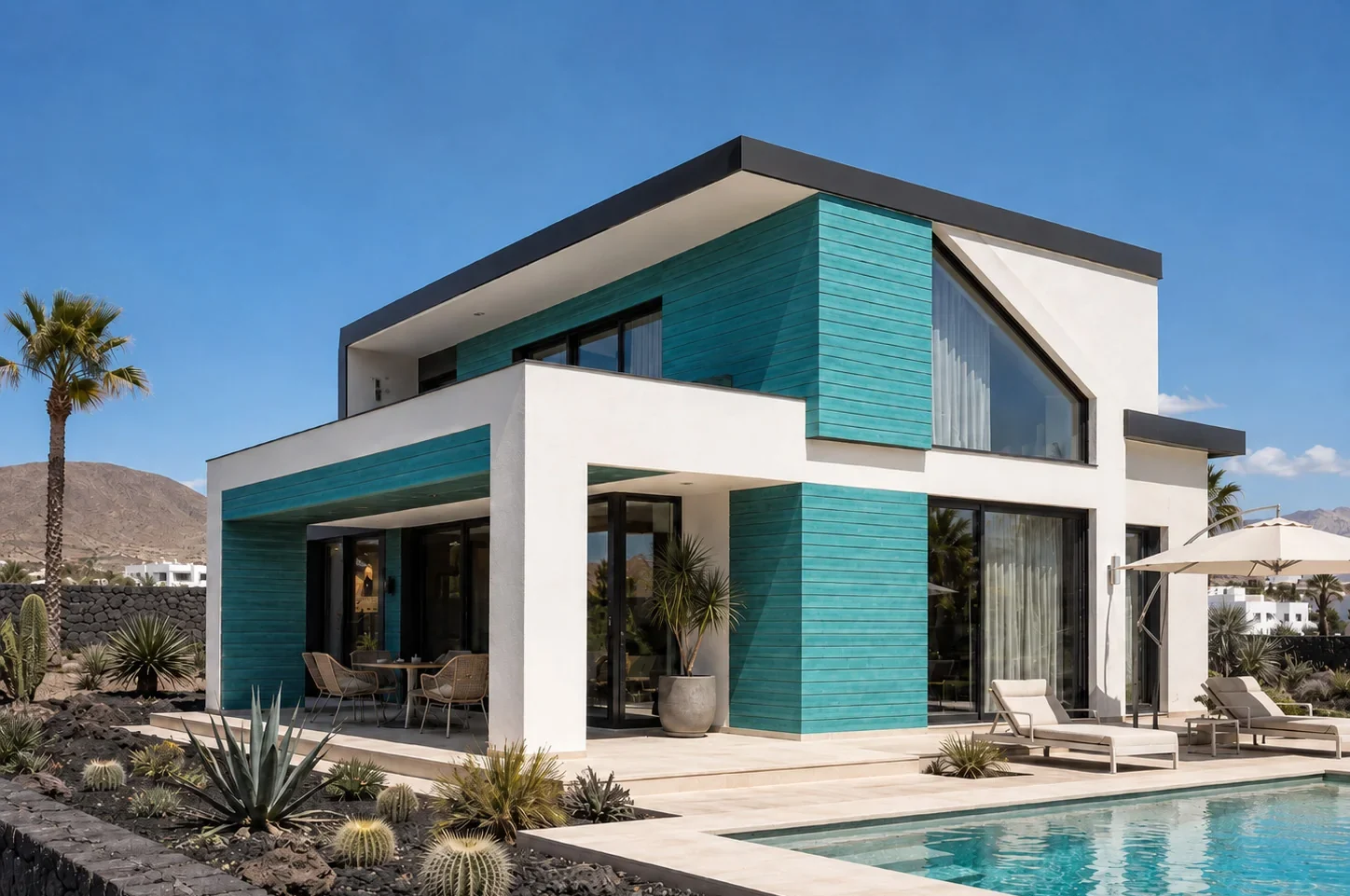
The choice is not purely financial. Timing, location, quality, maintenance, customisation and risk should be compared on the same basis.
Read the guide →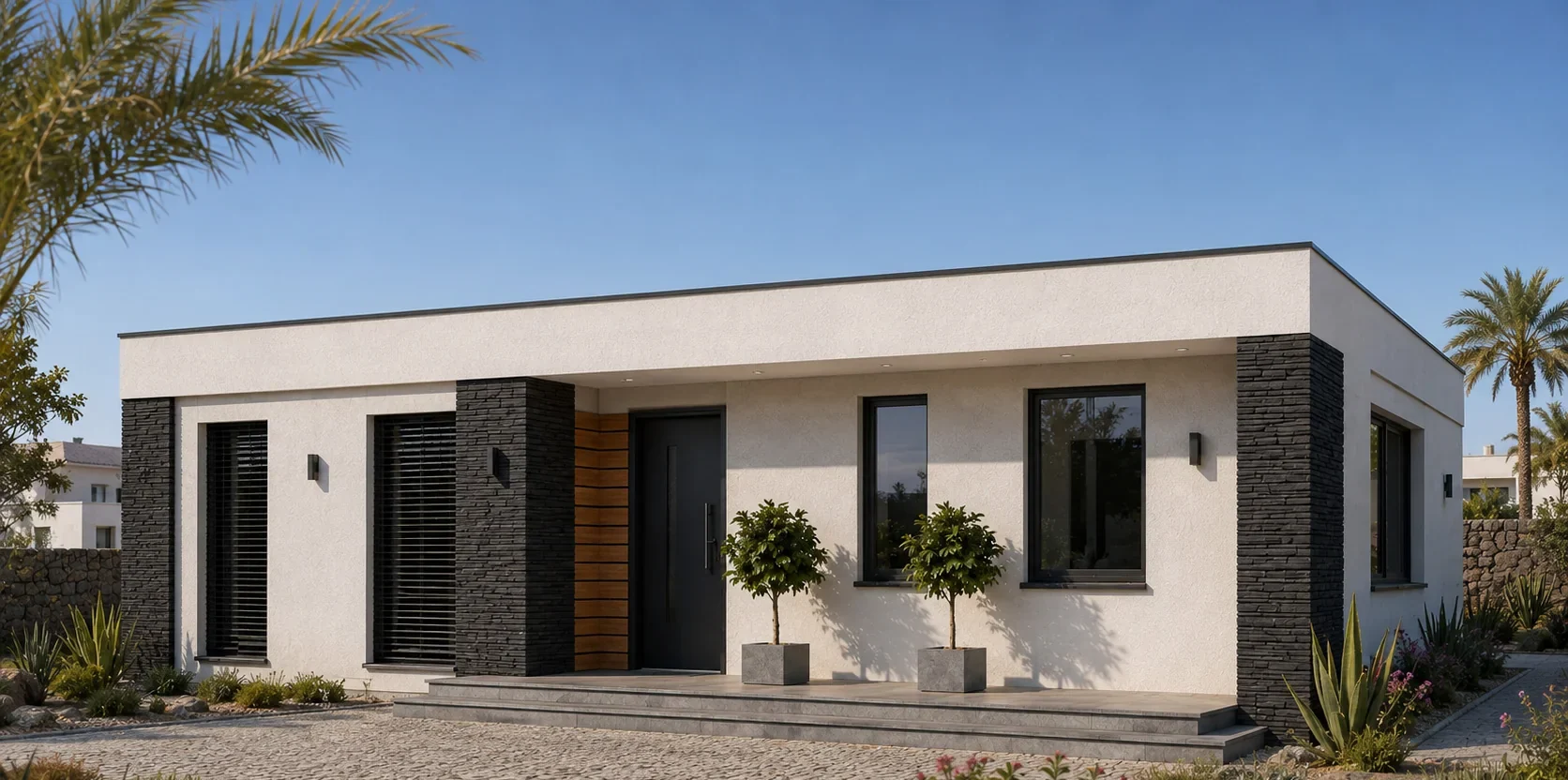
A practical list to use with your technical adviser, lawyer and seller before paying a deposit or entering an irreversible commitment.
Read the guide →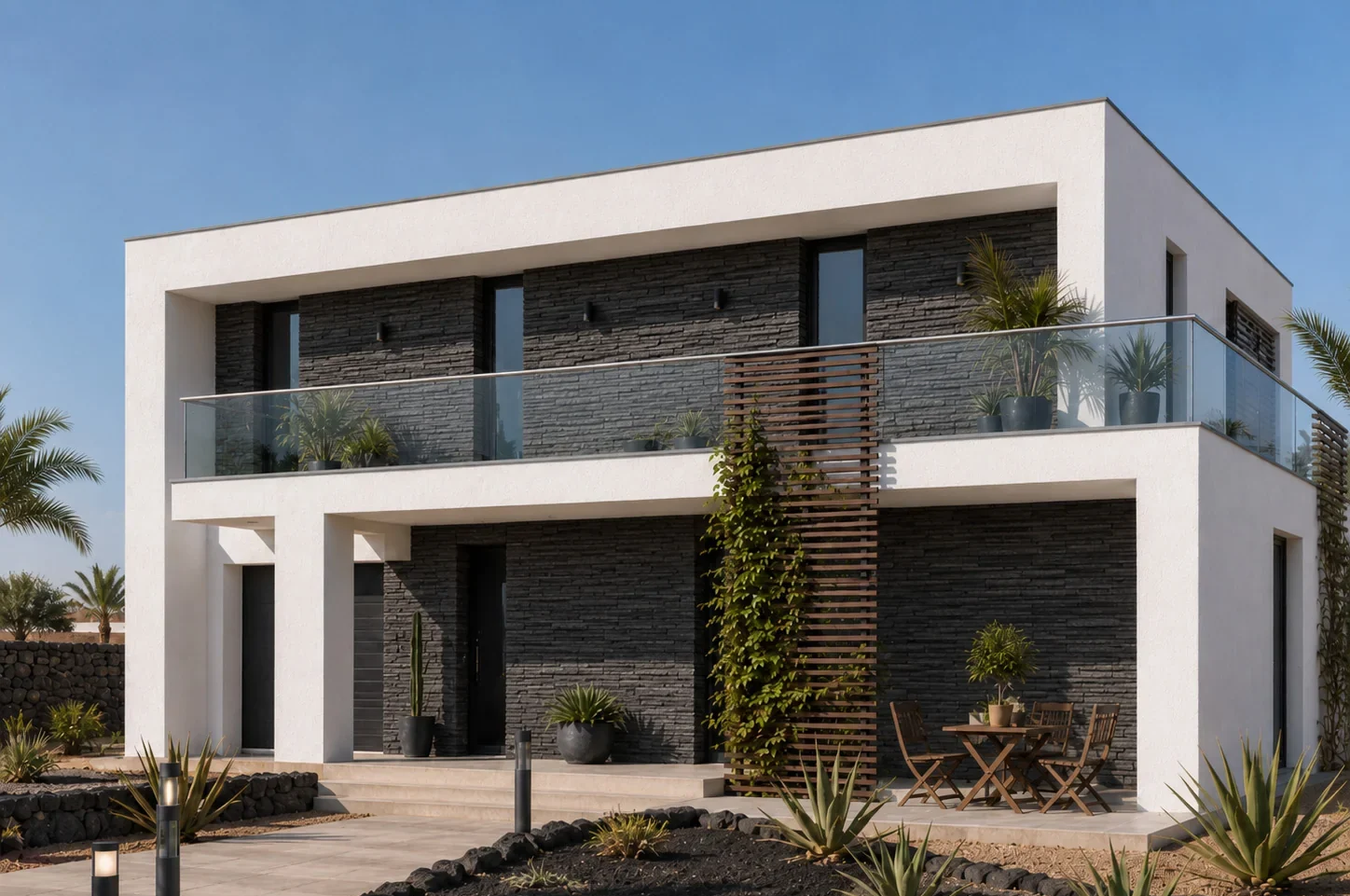
The quality of the finished home depends on the team and on how responsibility, communication, cost control and decisions are organised from the outset.
Read the guide →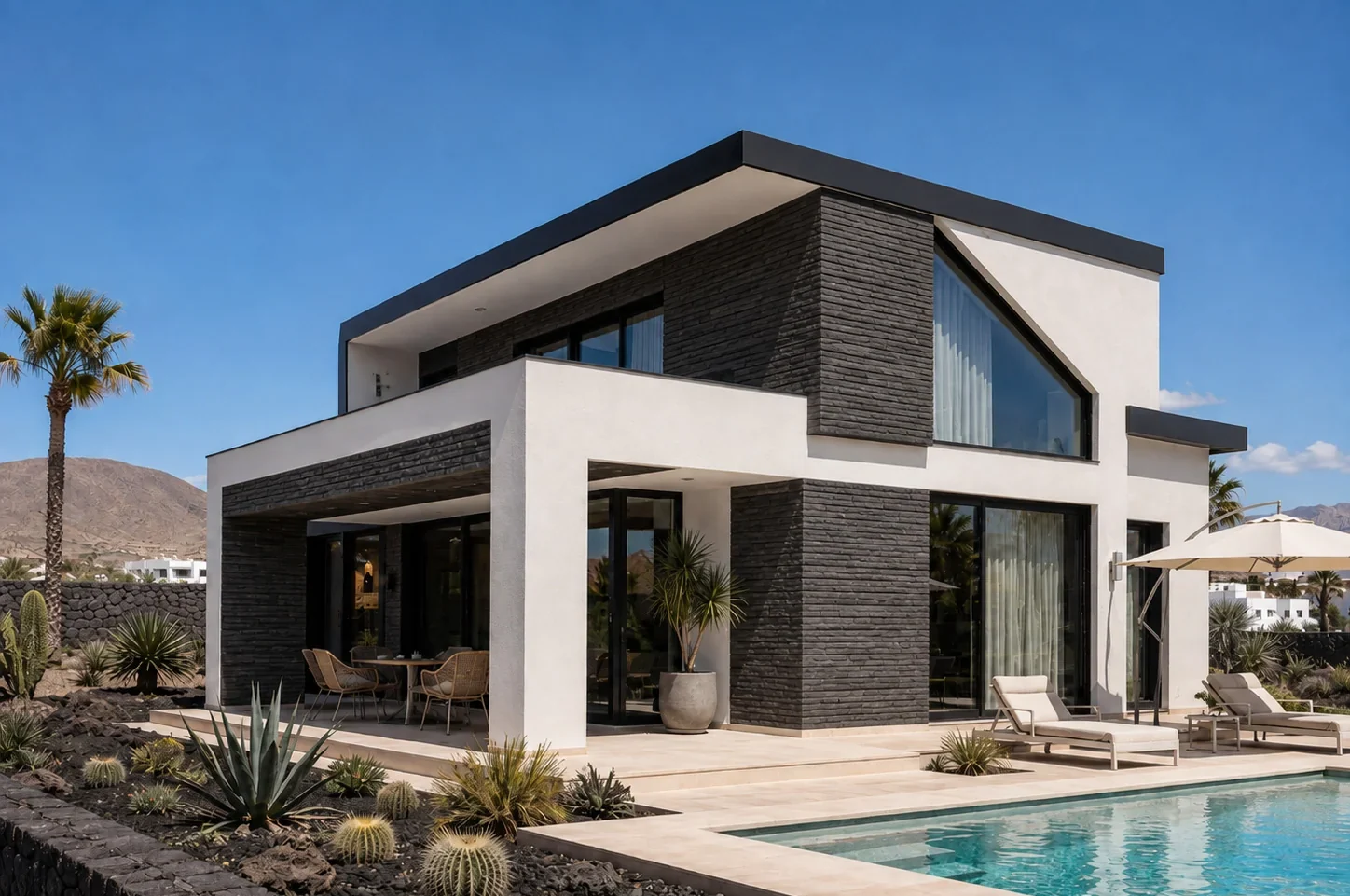
Wind is not addressed only by making the structure stronger. Orientation, massing, openings, pergolas and landscape can turn it into a controlled design variable.
Read the guide →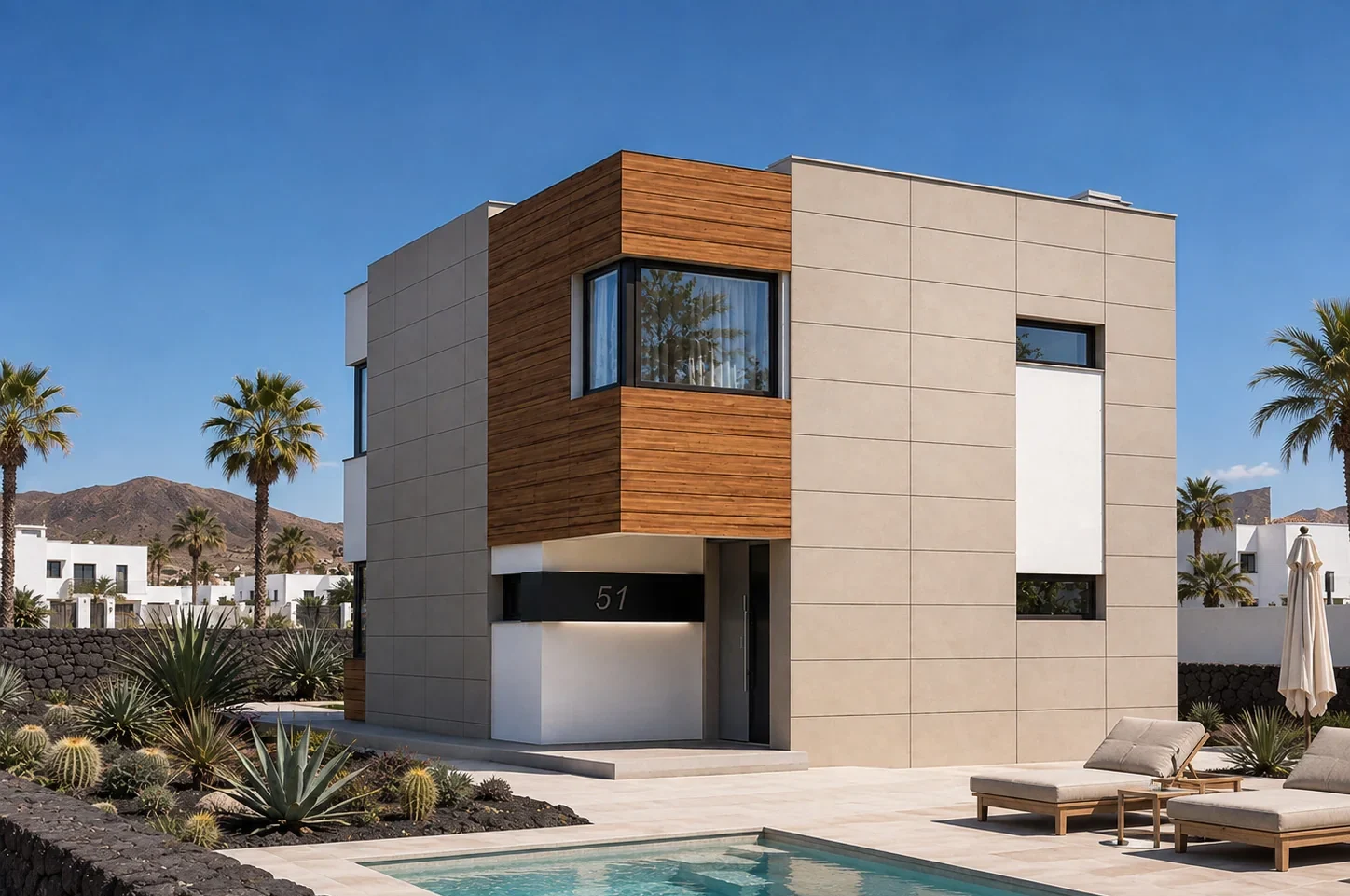
Good orientation decides where to seek daylight, shade, ventilation and landscape. Views matter, but they must work alongside comfort and controlled energy use.
Read the guide →
Near the sea, salt-laden air accelerates corrosion and deterioration. Materials, detailing, maintenance and distance from the coast should shape the design from the start.
Read the guide →A mild climate does not make insulation unnecessary. A well-designed envelope stabilises temperature, controls noise and reduces reliance on mechanical systems.
Read the guide →Windows must manage sun, wind, salt, security and ventilation. Product quality matters as much as installation and external protection.
Read the guide →A flat roof suits the island’s architecture, but falls, drainage, waterproofing and access must be designed with precision.
Read the guide →External finishes must withstand sun, wind, dust and salt. The most elegant material is one that keeps its quality without demanding unrealistic maintenance.
Read the guide →Volcanic stone can connect a home to the landscape, but it needs balance, correct detailing and a clear architectural purpose.
Read the guide →An effective pergola is not an accessory. It shapes comfort, protects glazing and makes terraces and pools usable at different times of day.
Read the guide →The choice affects cost, accessibility, views, privacy and the relationship with the garden. There is no universal winner; the plot should guide the answer.
Read the guide →Eighty square metres can become a complete, bright home when the layout, circulation and relationship with outdoor space are designed together.
Read the guide →One hundred square metres can combine a generous living area, two or three bedrooms and complete service spaces while keeping the project controlled.
Read the guide →A larger home offers freedom but can create corridors, unused rooms and permanent cost. Design should convert floor area into genuine quality.
Read the guide →A pool works best when it is part of the architecture. Orientation, wind, privacy, equipment and levels should be resolved with the home.
Read the guide →Customisation is not simply changing colours and floors. It means adapting volume, layout, orientation and performance to the plot and household.
Read the guide →A slope can provide views and privacy but requires survey, ground investigation, drainage and a structural strategy before cost can be estimated.
Read the guide →Many surprises come not from the house itself but from the plot, access, connections, external works, administration and decisions made too late.
Read the guide →Two quotations may show similar totals while covering very different work. Compare the same basis, quantities, quality, exclusions and conditions.
Read the guide →Alongside construction sits a group of surveys, professional services, permissions and checks that must be planned before deciding how much budget remains for the house.
Read the guide →Understanding the site sequence helps control payment, quality, procurement and decisions. Each stage should close with documented checks before the next begins.
Read the guide →The pool should be proportionate to use, plot and desired maintenance. Larger does not automatically mean more enjoyable or efficient.
Read the guide →A climate-responsive garden uses little water, withstands wind and enhances the home without becoming a constant job.
Read the guide →Abundant sun makes solar attractive, but output and durability depend on orientation, shade, wind, salt exposure and the actual consumption profile.
Read the guide →Water management affects comfort, garden, pool, maintenance and safety. Services and storage should be sized for the site and actual use.
Read the guide →Natural ventilation can cool the home and improve air quality, but it must be controllable. Openings and layout should avoid excessive draughts.
Read the guide →Efficiency starts with passive measures: orientation, shade, envelope and ventilation. Systems come afterwards and should remain easy to operate.
Read the guide →Sun, wind, dust and salt call for regular checks. Short planned maintenance costs less than intervention after failure.
Read the guide →Ocean proximity can improve views and value, but makes exposure, corrosion, wind, privacy and maintenance more important.
Read the guide →Island homes are lived outdoors for much of the year. Privacy, wind, sun and views should be balanced without turning the plot into an enclosure.
Read the guide →Automation is most useful for security, water, energy and climate. The system should keep working without perfect internet or permanent cloud access.
Read the guide →The north contains very different areas for services, atmosphere, wind, distance from the sea and plot supply. Start with the way you want to live.
Read the guide →Corralejo offers services, tourism and links to Lanzarote, but a residential project should examine density, mobility, wind and plot privacy.
Read the guide →La Oliva is a strategic inland base for the north. A project should use its calm setting, services and connections while responding to wind and urban context.
Read the guide →Villaverde is valued for open landscape and its position between La Oliva and Corralejo. Design should shelter outdoor life and respect local character.
Read the guide →Lajares combines location, an international community and a creative identity. Strong demand makes it even more important to separate aspiration, price and feasibility.
Read the guide →El Cotillo offers a direct relationship with the sea and a strong identity. New design must manage exposure, privacy, scale and limited land availability.
Read the guide →The island capital provides services, connections and a life less dependent on tourism. Project quality depends strongly on the specific neighbourhood.
Read the guide →Caleta de Fuste prioritises the sea and tourist services; Antigua offers a quieter inland setting. Both are central but require different strategies.
Read the guide →The south combines dramatic landscapes, tourism and longer distances. Costa Calma, Pájara and Morro Jable offer very different ways of living.
Read the guide →Nationality and residence do not replace plot due diligence. Tax identification, purchase, payment, contracts and design should be coordinated with local professionals.
Read the guide →Tell us the area, approximate floor area and finish level you have in mind. We can help organise the initial checks and the design path.
Discuss your project →